












































How Much Does It Really Cost to Own a Car in China? A Complete Guide

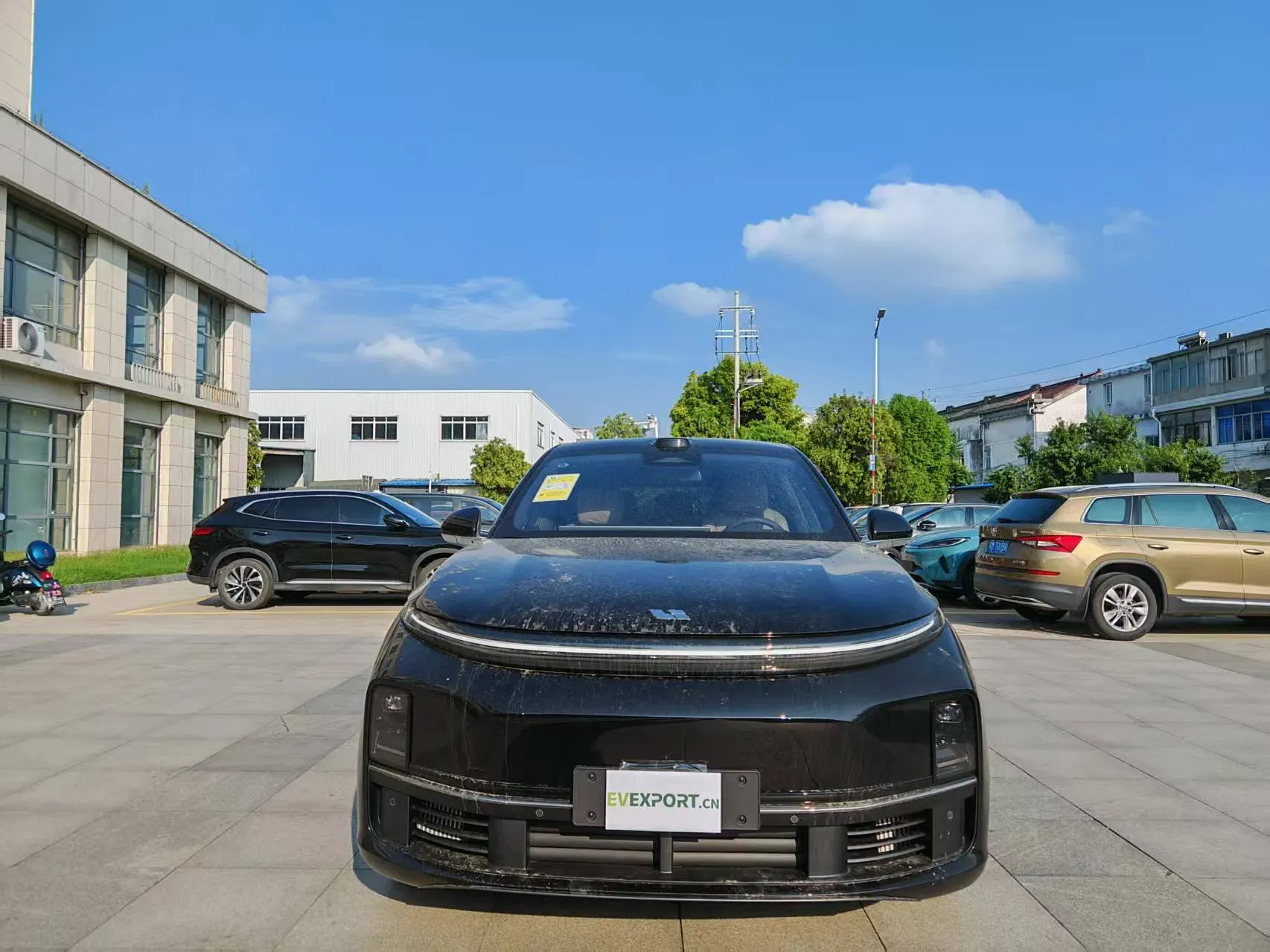
China’s automotive market offers an enormous selection of vehicles, from affordable city cars and family SUVs to advanced hybrids and electric vehicles. But beyond the advertised price, how much does it really cost to own a car in China?
The answer depends on several factors, including the vehicle’s purchase price, insurance, fuel or electricity consumption, maintenance, parking, taxes, and depreciation.
Whether you plan to drive in China or import a Chinese vehicle into your home country, understanding these costs can help you make a better financial decision.
At CARINCHINA.COM, we help international buyers explore vehicle options from China and enquire about sourcing cars for their markets. This guide explains the major expenses you should consider before buying.
1. How Much Does a Car Cost in China?

One of the biggest advantages of China’s automotive market is the variety of vehicles available at different price points. Buyers can choose from economy cars, family sedans, SUVs, luxury vehicles, hybrids, and battery-electric cars.
The following figures are broad illustrative price ranges, not live dealer quotations.
| Vehicle category | Illustrative price range |
|---|---|
| Small economy cars | ¥40,000–¥80,000 |
| Compact sedans | ¥60,000–¥120,000 |
| Family sedans | ¥100,000–¥200,000 |
| Compact SUVs | ¥80,000–¥160,000 |
| Mid-size SUVs | ¥150,000–¥300,000 |
| Premium vehicles | ¥300,000 and above |
| Electric vehicles | ¥50,000–¥300,000+ |
Prices vary by model, trim, battery capacity, manufacturer promotions, and vehicle condition. Electric vehicles overlap with other categories.
A vehicle’s advertised price is only the starting point. You must also account for insurance, taxes, registration, and the costs of keeping the vehicle on the road.
For international buyers, it is equally important to distinguish the price offered in China from the final cost of importing the vehicle into another country.
2. The Initial Cost of Buying a Car
The total cost of buying a car can be higher than the sticker price. Depending on the vehicle and circumstances, the initial expenses may include the following.
- Vehicle purchase price: The amount paid to the seller or dealer.
- Vehicle purchase tax: Conventional vehicles subject to China’s vehicle purchase tax generally incur a 10% tax on the taxable price excluding VAT.
- Registration and licence plates: Fees and requirements vary by city. Some locations have additional restrictions or costs for certain licence plates.
- Insurance: Compulsory third-party insurance is required, and many owners also purchase commercial coverage.
- Delivery and accessories: Depending on the purchase, there may be transportation, equipment, or other associated costs.
China’s qualifying new energy passenger vehicles receive a 50% vehicle purchase tax reduction in 2026 and 2027, subject to a maximum reduction of ¥15,000 per vehicle. Eligibility requirements apply, so buyers should confirm the rules for their specific vehicle.
The most reliable way to budget is to request an itemised quotation that shows the vehicle price and all applicable additional charges.
3. How Much Does Car Insurance Cost in China?

Insurance is an essential part of car ownership in China. The amount you pay depends on your vehicle, location, coverage, driving history, and claims record.
For a mainstream passenger vehicle, a reasonable preliminary budget might be several thousand yuan annually for compulsory and commercial insurance combined. Premiums can be considerably higher for expensive vehicles or certain electric models.
The main types of coverage include:
- Compulsory third-party insurance: The legally required basic policy.
- Vehicle damage insurance: Helps cover eligible damage to your own vehicle.
- Additional third-party liability coverage: Provides protection beyond the compulsory policy’s limits.
- Optional cover: Additional protection according to the insurer’s terms.
Electric vehicles deserve particular attention because repair costs, replacement parts, and battery-related risks can influence insurance premiums.
When comparing cars, request insurance quotations for the actual models you are considering. A lower-priced vehicle is not necessarily the cheapest to insure.
4. Fuel Costs: How Much Does It Cost to Drive a Petrol Car?
Fuel is one of the biggest recurring expenses for petrol-powered vehicles. Your annual bill depends on how far you drive, how efficiently your vehicle uses fuel, and the price you pay per litre.

Consider this example:
- Annual driving distance: 15,000 kilometres
- Average fuel consumption: 8 litres per 100 kilometres
- Illustrative petrol price: ¥7.50 per litre
The calculation is:
15,000 km × 8 ÷ 100 × ¥7.50 = ¥9,000 per year.
That is approximately ¥750 per month, excluding insurance, parking, servicing, and other expenses.
A smaller, fuel-efficient sedan may cost less to run, while a large SUV or performance vehicle can consume significantly more fuel. Actual petrol prices also change over time and vary by grade and location.
If you drive long distances regularly, choosing a vehicle with lower fuel consumption can make a substantial difference to your annual budget.
5. Are Electric Cars Cheaper to Own in China?
China has a large and rapidly developing electric vehicle market. Electric cars can offer substantial savings on energy and some routine maintenance, particularly for drivers who can charge at home.

Let’s compare the energy costs of a hypothetical petrol car and an electric car travelling 15,000 kilometres per year.
| Cost factor | Petrol car | Electric car |
|---|---|---|
| Annual distance | 15,000 km | 15,000 km |
| Average consumption | 8 L/100 km | 16 kWh/100 km |
| Illustrative energy price | ¥7.50/L | ¥0.80/kWh |
| Estimated annual energy cost | ¥9,000 | ¥1,920 |
Under these assumptions, the electric vehicle saves approximately ¥7,080 per year on energy alone.
These figures are illustrative. Real-world electricity costs depend on charging tariffs, public charging fees, charging losses, and driving conditions. An electric vehicle’s actual efficiency also varies by model and climate.
However, energy savings do not automatically make every electric car cheaper overall. Purchase price, insurance, depreciation, battery warranty, and repair expenses must also be considered.
For buyers exploring Chinese electric vehicles, CARINCHINA.COM is a starting point for researching available options and enquiring about vehicle sourcing.
6. Maintenance and Repair Costs
Every vehicle needs maintenance, whether it uses petrol, electricity, or a hybrid powertrain.

Petrol cars commonly require engine oil and filter changes, air-filter replacements, brake inspections, tyre replacements, and other scheduled servicing.
Electric vehicles do not require conventional engine oil changes and generally have fewer engine-related maintenance tasks. However, they still need tyre replacements, brake inspections, suspension servicing, cabin-filter changes, and attention to their cooling and electrical systems.
For preliminary budgeting, a mainstream private car might require around ¥1,500–¥4,000 annually for routine maintenance and minor repairs. This is an illustrative allowance rather than a guaranteed average. Older vehicles, premium models, and major repairs can cost considerably more.
Before buying, check:
- The manufacturer’s maintenance schedule.
- The length and conditions of the vehicle warranty.
- Battery warranty coverage for electric vehicles.
- The availability and price of replacement parts.
- Whether specialist servicing is required.
Regular maintenance can help prevent small problems from developing into expensive repairs.
7. Parking, Tolls, and Other Hidden Expenses
Some car ownership costs are easy to overlook because they do not appear on the purchase invoice.
Parking: Residential, workplace, and public parking fees vary substantially by city and neighbourhood. In major urban centres, parking can become a significant annual expense.
Expressway tolls: Frequent intercity travellers should budget for tolls based on their routes and distance travelled.
Car washing and cleaning: Regular cleaning, interior care, and occasional detailing add to the cost of ownership.
Tyres and wear-and-tear parts: Tyres, brake components, wiper blades, and suspension parts require periodic replacement.
Depreciation: A vehicle generally loses value as it ages, accumulates mileage, and becomes less current. Changes in technology and new-model pricing can also affect resale values, including those of electric vehicles.
Depreciation is especially important because it represents a cost even when you do not pay money for it each month.
8. What Does It Cost to Own a Car in China for One Year?
Let’s estimate the annual cost of owning a conventional family car purchased for approximately ¥150,000 and driven 15,000 kilometres per year.
| Annual expense | Illustrative budget |
|---|---|
| Fuel | ¥9,000 |
| Insurance | ¥5,500 |
| Parking | ¥6,000 |
| Maintenance and minor repairs | ¥2,000 |
| Vehicle-related tax | ¥400 |
| Tolls, washing, and miscellaneous costs | ¥2,000 |
| Total annual running costs | ¥24,900 |
| Illustrative depreciation | ¥12,000 |
| Total economic cost per year | ¥36,900 |
These figures are an example for budgeting purposes, not a national average. Actual costs depend on the vehicle, location, insurance policy, driving habits, and market conditions.
The example excludes loan interest, financing charges, and the initial purchase price. The tax line is also illustrative and should not be interpreted as the amount payable by every owner.
The main takeaway is that the cost of owning a car is much more than the amount paid at the dealership. A vehicle purchased for ¥150,000 could incur ¥24,900 in annual running costs under these assumptions, rising to ¥36,900 when depreciation is included.
9. How to Reduce the Cost of Owning a Car
You do not need to buy the cheapest vehicle available to reduce your ownership costs. Instead, focus on the factors that have the biggest financial impact.
- Choose the right vehicle size. Avoid paying for a larger engine or SUV if a compact car meets your needs.
- Compare petrol, hybrid, and electric vehicles. Consider your mileage, local energy prices, charging access, and ownership period.
- Compare insurance quotations. Check premiums for the same vehicle and equivalent coverage.
- Follow the maintenance schedule. Preventive servicing can reduce the risk of expensive breakdowns.
- Consider resale value. Research used-car prices before choosing a model.
- Calculate the complete purchase price. Include applicable taxes, registration, insurance, and delivery charges.
- If importing, calculate the landed cost. Include shipping, duties, customs clearance, and local compliance costs before committing to a purchase.
10. Is Buying a Car in China Cheaper Than Buying One Abroad?
For international buyers, this is often the most important question.
China offers a broad range of locally manufactured vehicles, including petrol cars, hybrids, and electric vehicles. Depending on the model and destination, sourcing directly from China may offer competitive pricing and access to vehicle specifications that are not readily available in your local market.
However, a car’s domestic Chinese price is not the same as its final import cost.
International buyers should account for:
- Vehicle sourcing and export handling.
- Inspection and export documentation.
- Inland transportation to the departure port.
- International shipping and freight insurance.
- Import duties and applicable taxes.
- Port handling and customs clearance.
- Local registration and vehicle compliance.
- Any modifications required by destination-country regulations.
Import rules and additional tariffs can differ substantially between countries and vehicle categories.
For example, the economics of importing an electric SUV into one market may differ from those of importing a petrol sedan into another. Shipping costs, local taxes, eligibility rules, and vehicle specifications all influence the final price.
The best approach is to calculate the complete landed cost before buying. This allows you to compare an imported vehicle against locally available alternatives on a like-for-like basis.
11. Why Source Chinese Cars Through CARINCHINA.COM?
Finding a suitable vehicle in China can be challenging when you are unfamiliar with local suppliers, vehicle specifications, export arrangements, and destination-country requirements.
CARINCHINA.COM helps international buyers explore Chinese vehicles and enquire about sourcing options for their markets.
Whether you are looking for an affordable sedan, a family SUV, a hybrid, or an electric vehicle, start by identifying your requirements and comparing suitable models.
Our vehicle-sourcing enquiries can begin with a few essential details:
- Your preferred vehicle or vehicle category.
- Your approximate purchase budget.
- Your destination country and port, if applicable.
- Your preferred fuel type or powertrain.
- Any particular specifications or features you require.
Vehicle availability, export eligibility, final pricing, and shipping arrangements must be confirmed for each enquiry.
Rather than focusing only on the lowest advertised price, consider the complete cost of purchasing, transporting, registering, and maintaining the vehicle.
Ready to explore your options? Visit CARINCHINA.COM to discover Chinese vehicles and enquire about sourcing a car for your market.
Frequently Asked Questions
How much does it cost to own a car in China per year?
Costs vary by vehicle and location. In our illustrative example, annual running expenses total ¥24,900, increasing to ¥36,900 when estimated depreciation is included.
Are electric cars cheaper to maintain in China?
Electric vehicles often have fewer routine engine-related maintenance requirements. However, insurance, tyres, battery-related repairs, and depreciation can influence their total ownership costs.
Is electricity cheaper than petrol in China?
Electricity can cost substantially less per kilometre than petrol under many driving conditions. Savings depend on the vehicle’s efficiency, local electricity tariffs, and whether you charge at home or use public charging stations.
What purchase tax applies to cars in China?
Conventional vehicles subject to vehicle purchase tax generally incur a 10% rate on the taxable price excluding VAT. Qualifying new energy passenger vehicles receive a 50% reduction in 2026 and 2027, capped at ¥15,000 per vehicle.
Can foreigners buy cars in China?
Foreign nationals may be able to purchase and register vehicles, subject to applicable identification, residence, registration, and local administrative requirements. Requirements vary according to individual circumstances and location.
How much does it cost to import a car from China?
There is no universal price. The total depends on the vehicle, shipping method, export charges, import duties, taxes, customs clearance, and registration requirements in the destination country.
Where can I find Chinese cars for export?
Visit CARINCHINA.COM to explore available vehicle options and enquire about sourcing a vehicle from China for your destination market.
Final Thoughts: Understand the Real Cost Before You Buy
Owning a car in China can be affordable, but the smartest buyers look beyond the showroom price.
Insurance, fuel or electricity, maintenance, parking, taxes, and depreciation all affect the total cost of ownership. For international buyers, shipping, import duties, customs clearance, and local compliance costs must also be considered.
The right vehicle is not necessarily the cheapest one to purchase. It is the one that offers the best balance of purchase price, reliability, operating expenses, resale value, and suitability for your needs.
If you are considering purchasing or importing a Chinese petrol car, hybrid, or electric vehicle, CARINCHINA.COM is ready to help you take the next step.
Explore Chinese vehicles today at CARINCHINA.COM.
Disclaimer: All price ranges and cost estimates in this article are illustrative, not guaranteed quotations or national averages. Actual costs vary by vehicle, location, market conditions, and applicable regulations. Verify current prices, tax treatment, insurance premiums, and import requirements before making a purchase.