









































Ngaba Ndifanele Ndithenge Okanye Ndiqeshe Imoto eTshayina? Isikhokelo Esipheleleyo

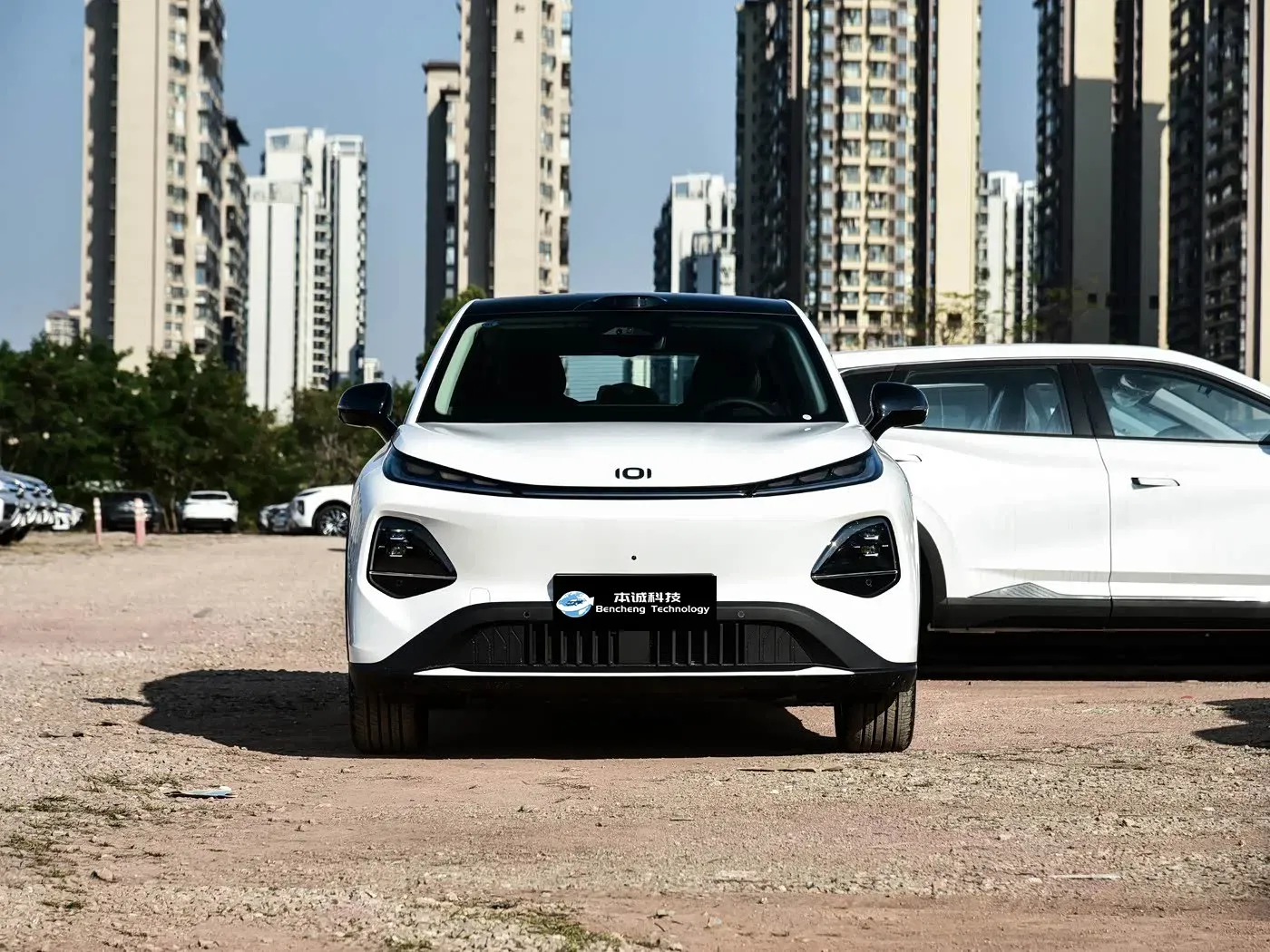
China offers a huge selection of affordable petrol cars, hybrid vehicles, electric cars, and premium SUVs. But if you need a vehicle in China, which option makes more financial sense: buying or renting?
The answer depends on how long you need the car, how frequently you drive, your budget, and whether you are a resident, business visitor, tourist, or international vehicle buyer.
Renting offers flexibility and avoids the responsibility of long-term ownership. Buying may provide better value for regular use over several years, provided you account for registration, insurance, maintenance, and depreciation.
In this guide, CARINCHINA.COM compares the costs, advantages, and disadvantages of both options to help you make an informed decision.
1. Buying vs. Renting a Car in China

Buying means paying for a vehicle and taking responsibility for its ownership expenses. Renting means paying to use a vehicle for a specified period without purchasing it.
| Ingxaki | Ukuthenga imoto | Ukuqesha imoto |
|---|---|---|
| Initial payment | Phezulu | Ngokuqhelekileyo iphantsi |
| Ulwakhiwo lwentlawulo | Purchase price plus ongoing expenses | Daily, weekly, or monthly fees |
| inshorensi | Owner arranges applicable coverage | Depends on rental agreement |
| nokugcinwa | Owner generally pays | Often handled by rental provider, subject to contract |
| Ukuhla kwexabiso | Owner bears resale-value risk | Usually borne by vehicle owner |
| voco | Keep or sell the vehicle | Return or change vehicles under the contract |
| Okulungileyo | Regular, long-term use | Holidays, business trips, temporary needs |
Neither option is automatically cheaper. A rental car can be economical for a short visit, while repeated rentals can become expensive over several months.
Similarly, buying a car involves more than the purchase price. Insurance, parking, maintenance, taxes, and depreciation all affect the true cost.
2. How Much Does It Cost to Rent a Car in China?

Rental prices vary by city, season, vehicle category, insurance coverage, mileage limits, and rental duration.
As a rough budgeting guide, economy and compact cars may be advertised for around ¥150–¥300 per day, while larger SUVs and premium vehicles may cost more. These are illustrative rates, not verified live quotations for every rental provider in 2026.
Suppose you find a rental car for ¥250 per day:
| Ixesha lokurenta | Base rental cost |
|---|---|
| 1 usuku | ¥ 250 |
| iintsuku 7 | ¥ 1,750 |
| iintsuku 30 | ¥ 7,500 |
| iintsuku 90 | ¥ 22,500 |
These totals exclude any additional charges for fuel or charging, insurance upgrades, tolls, parking, deposits, mileage limits, and vehicle damage.
Before booking, confirm the full rental price, insurance excess, deposit refund conditions, mileage allowance, and whether you must return the vehicle to the same location.
Renting can be particularly convenient for holidays, short business visits, supplier meetings, and trade fairs where you only need a car temporarily.
3. How Much Does It Cost to Buy a Car in China?
China has a competitive automotive market, with vehicles available across a wide range of price points. Buyers can choose from economical city cars, family sedans, SUVs, hybrids, electric vehicles, and luxury models.
| Udidi lwemoto | Uluhlu lwamaxabiso olubonisayo |
|---|---|
| Iimoto ezincinci ezingabizi kakhulu | ¥40,000–¥80,000 |
| Iisedan ezincinci | ¥60,000–¥120,000 |
| Iimoto zosapho ezithutha abantu | ¥100,000–¥200,000 |
| SUVs Compact | ¥80,000–¥160,000 |
| IiSUV eziphakathi | ¥150,000–¥300,000 |
| izithuthi Premium | ¥300,000 nangaphezulu |
| Zithuthi | ¥50,000–¥300,000+ |
These are broad illustrative ranges, not current dealer quotations. Prices vary by model, trim, condition, equipment, and manufacturer promotions.
When buying a car in China, budget for more than the advertised price:
- Purchase tax: Conventional vehicles subject to China’s vehicle purchase tax generally incur a 10% rate on the taxable price excluding VAT. Qualifying new energy passenger vehicles receive a 50% reduction in 2026 and 2027, capped at ¥15,000 per vehicle.
- Registration and licence plates: Requirements and expenses vary by city.
- Insurance: Compulsory third-party insurance is required, and additional commercial coverage may be appropriate.
- Maintenance: Regular servicing and replacement parts add to ownership costs.
- Parking and operating expenses: These depend on where and how frequently you drive.
- Depreciation: Your vehicle may lose value over time.
Buying becomes more attractive when you plan to use the vehicle regularly and can spread the initial cost over a longer ownership period.
4. A Realistic Cost Comparison: Buying vs. Renting
Let’s compare renting a car for one month with owning a vehicle for one year.
Imagine a rental car costing ¥250 per day and a purchased car costing ¥120,000.
| Inkcitho | Rent for 30 days | Own for one year |
|---|---|---|
| Rental fee or purchase price | ¥ 7,500 | ¥ 120,000 |
| inshorensi | Kuxhomekeke kwisivumelwano | ¥ 5,000 |
| nokugcinwa | Kuxhomekeke kwisivumelwano | ¥ 2,000 |
| Ukupaka | ¥500 assumed | ¥ 6,000 |
| izibaso | ¥1,000 assumed | ¥ 9,000 |
| Iindleko eziziintlobo ngeentlobo | A zifakiwe | ¥ 2,000 |
| Illustrative total cash outlay | ¥9,000 plus extras | ¥ 144,000 |
The comparison is not like-for-like: the rental covers one month, while the ownership example covers one year and includes the entire purchase price. The ownership total also excludes financing costs and resale proceeds.
To assess long-term value, account for depreciation and the vehicle’s eventual resale price. If you sell the car later, you may recover part of the original purchase price.
The key principle is to compare the total cost over the same period. For a short stay, renting often makes practical sense. For long-term, frequent use, buying may be more economical.
5. When Is Renting a Car in China the Better Choice?
Renting is often the better option when convenience and flexibility matter more than long-term ownership.
You are visiting China temporarily. If you are attending the Canton Fair, visiting suppliers, or travelling for business, renting avoids the commitment of buying and registering a vehicle.
You only need a car occasionally. For occasional weekend trips or infrequent meetings, renting when needed may be more economical than maintaining a car year-round.
You want to avoid ownership responsibilities. Routine maintenance is often handled by the rental provider, subject to the agreement. You should still check your liability for damage, accidents, and other charges.
You need different vehicles for different occasions. You might choose a compact car for city driving and a larger SUV for a family trip.
You are not yet ready to choose a car. Renting can help you understand your preferences before making a major purchase.
Important advice for international visitors
Do not assume that your overseas driving licence or International Driving Permit alone allows you to drive in mainland China. Visitors generally need a valid Chinese driving licence or an applicable temporary driving permit. Rental companies may also require identity verification and other documentation.
Confirm the latest requirements and your rental provider’s rules before booking.
6. When Is Buying a Car in China the Better Choice?
Buying may be more attractive if you live in China, need regular transport, or expect to use the vehicle for several years.

You live in China long term
If you need transport for work, family, or daily activities, owning a car may offer better value than paying rental fees repeatedly.
You drive frequently
Daily or near-daily use can make the economics of ownership more attractive, particularly if you keep the vehicle for several years.
You want to choose your exact vehicle
Buying gives you greater control over the model, specification, features, accessories, and condition of the vehicle.
You want to retain resale value
An owned car may retain some resale value when you no longer need it. Your financial outcome depends on depreciation, condition, mileage, maintenance history, and market demand.
You need a vehicle for business
Businesses with regular transport requirements may find ownership useful, depending on vehicle utilisation, cash flow, tax treatment, and maintenance arrangements.
Before buying, check local registration rules, insurance requirements, and any licence-plate restrictions that apply to your circumstances.
7. Should You Buy or Rent an Electric Car in China?

China’s electric vehicle market offers a wide range of models. Whether renting or buying, an electric car may help reduce energy expenses, depending on how and where you charge it.
Consider a hypothetical annual driving distance of 15,000 kilometres.
| Ixabiso factor | Imoto yepetroli | Imoto yombane |
|---|---|---|
| Umgama wonyaka | 15,000 km | 15,000 km |
| Ukusetyenziswa okuphakathi | 8 L / 100 km | 16 kWh/100 km |
| Assumed energy price | ¥7.50/L | ¥0.80/kWh |
| Iindleko zonyaka zamandla | ¥ 9,000 | ¥ 1,920 |
Under these assumptions, the electric car saves approximately ¥7,080 per year on energy alone.
However, actual results vary with electricity tariffs, fuel prices, vehicle efficiency, and driving conditions.
If you rent an electric car, check whether charging is included, whether you must return it with a minimum battery charge, and whether idle or charging-related fees apply.
If you buy, consider insurance, depreciation, battery warranty, charging access, and long-term maintenance. Lower energy costs do not guarantee that every EV will be cheaper overall.
For international buyers interested in Chinese electric vehicles, CARINCHINA.COM provides a starting point for exploring vehicle options and making sourcing enquiries.
8. What Should Foreigners and Business Visitors Know?
China attracts international business travellers, automotive buyers, and visitors who need convenient transport. The best choice depends on the purpose and duration of your stay.
For short visits, taxis, ride-hailing services, trains, and private drivers may be more convenient than renting or buying a car, particularly in large cities.
If you plan to drive yourself, check temporary driving permit requirements, acceptable identity documents, rental eligibility, and insurance arrangements in advance.
If you are staying for longer, investigate registration requirements and any local restrictions before purchasing a vehicle.
For buyers sourcing cars for export, remember that purchasing a vehicle for export is different from buying one for personal use on Chinese roads. Export eligibility, documentation, shipping arrangements, and the destination country’s import rules must all be considered.
9. Buying a Car in China for Export: A Different Decision

If your goal is to purchase a Chinese vehicle and ship it to another country, the decision is not simply whether to buy or rent. You need to determine whether sourcing the vehicle from China offers a financial advantage over purchasing locally.
Your calculation should include:
- Vehicle purchase price.
- Supplier and export handling charges.
- Ukuhlolwa kunye namaxwebhu okuthumela ngaphandle.
- Uthutho oluya ngaphakathi elizweni ukuya kwizibuko lokunduluka.
- International freight and insurance.
- Import duties and taxes in the destination country.
- Customs clearance, port handling, and local registration.
- Any modifications needed to meet local regulations.
A competitively priced vehicle in China may offer value in your destination market, but the final result depends on the complete landed cost.
CARINCHINA.COM helps international buyers explore Chinese vehicles and enquire about sourcing options for their destination markets. Whether you are looking for an economical sedan, an SUV, a hybrid, or an electric vehicle, identify your specifications and budget before requesting a quotation.
utyelelo I-CARINCHINA.COM ukuhlola iinketho zakho.
10. Buying vs. Renting: Which Option Is Best for You?
Use this quick guide to narrow down your decision.
| Imeko yakho | Option to consider |
|---|---|
| Holiday lasting a few days | Ukuqesha |
| Short business trip | Renting or a private driver |
| Occasional weekend use | Renting when needed |
| Temporary stay of one to three months | Compare long-term rental offers |
| Long-term residence with frequent driving | Cinga ngokuthenga |
| Business requiring regular vehicle use | Compare ownership and leasing options |
| Purchasing a vehicle for export | Compare vehicle price and complete landed cost |
These are general guidelines rather than fixed rules. Rental prices, ownership expenses, registration eligibility, and resale values can change the outcome.
Imibuzo ebuzwa qho
Is it cheaper to buy or rent a car in China?
Renting is often more practical for short trips because it avoids the upfront cost of purchasing a vehicle. Buying may offer better value for frequent, long-term use, depending on depreciation, insurance, registration, maintenance, and resale value.
How much does it cost to rent a car in China for a month?
At an illustrative rate of ¥250 per day, renting for 30 days costs ¥7,500 before additional charges. Actual rental prices vary by location, vehicle, season, and contract terms.
Can foreigners rent a car in China?
Eligible foreign visitors can rent cars, subject to driving permit, identity verification, and rental company requirements. Confirm the current rules before booking.
Is buying an electric car in China worth it?
It can be worthwhile for frequent drivers who have access to affordable charging. Purchase price, insurance, depreciation, battery warranty, and charging convenience should all be considered.
Can I buy a car in China and export it to my country?
Potentially, yes. The vehicle must meet applicable export requirements, and the import rules of your destination country must be satisfied. Shipping, duties, taxes, and registration affect the final cost.
Ndingazifumana phi iimoto zaseTshayina zokuthumela kwamanye amazwe?
utyelelo I-CARINCHINA.COM to explore Chinese vehicles and enquire about sourcing options for your destination market.
Final Verdict: Should You Buy or Rent a Car in China?
The best choice depends on how long you need a vehicle and how frequently you plan to drive.
Renting is often the practical choice for short stays. Buying deserves serious consideration for regular, long-term use. For international buyers, the decision should be based on the vehicle’s complete landed cost and the regulations of the destination market.
Before committing, compare the total expenses rather than focusing only on a daily rental rate or an advertised purchase price.
If buying is the right choice for you, CARINCHINA.COM can help you explore Chinese vehicles and take the next step toward sourcing your next car.
Jonga izithuthi zaseTshayina namhlanje kwiCARINCHINA.COM.